How Professional Termite Control Services Reduce Hidden Risks
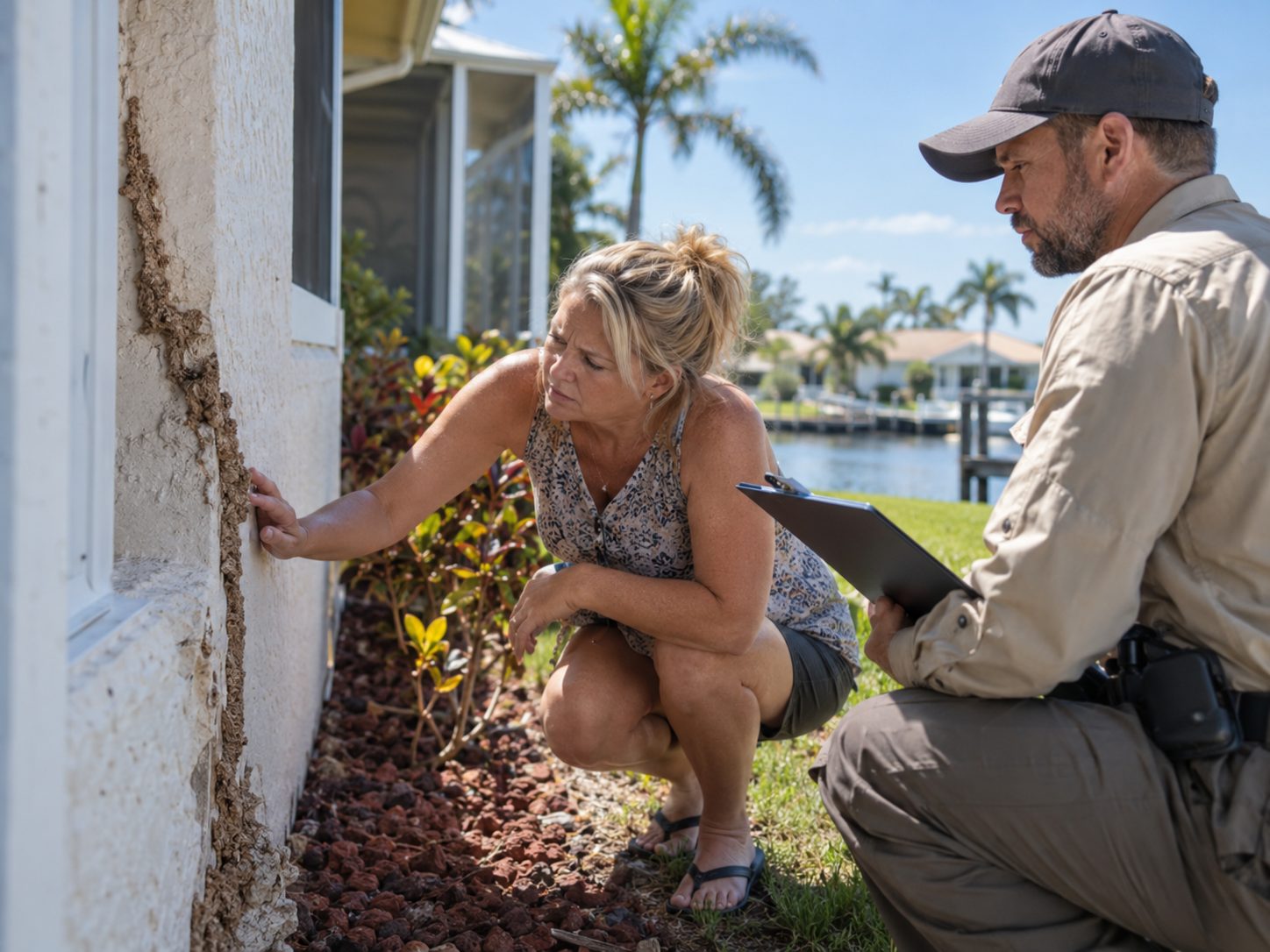
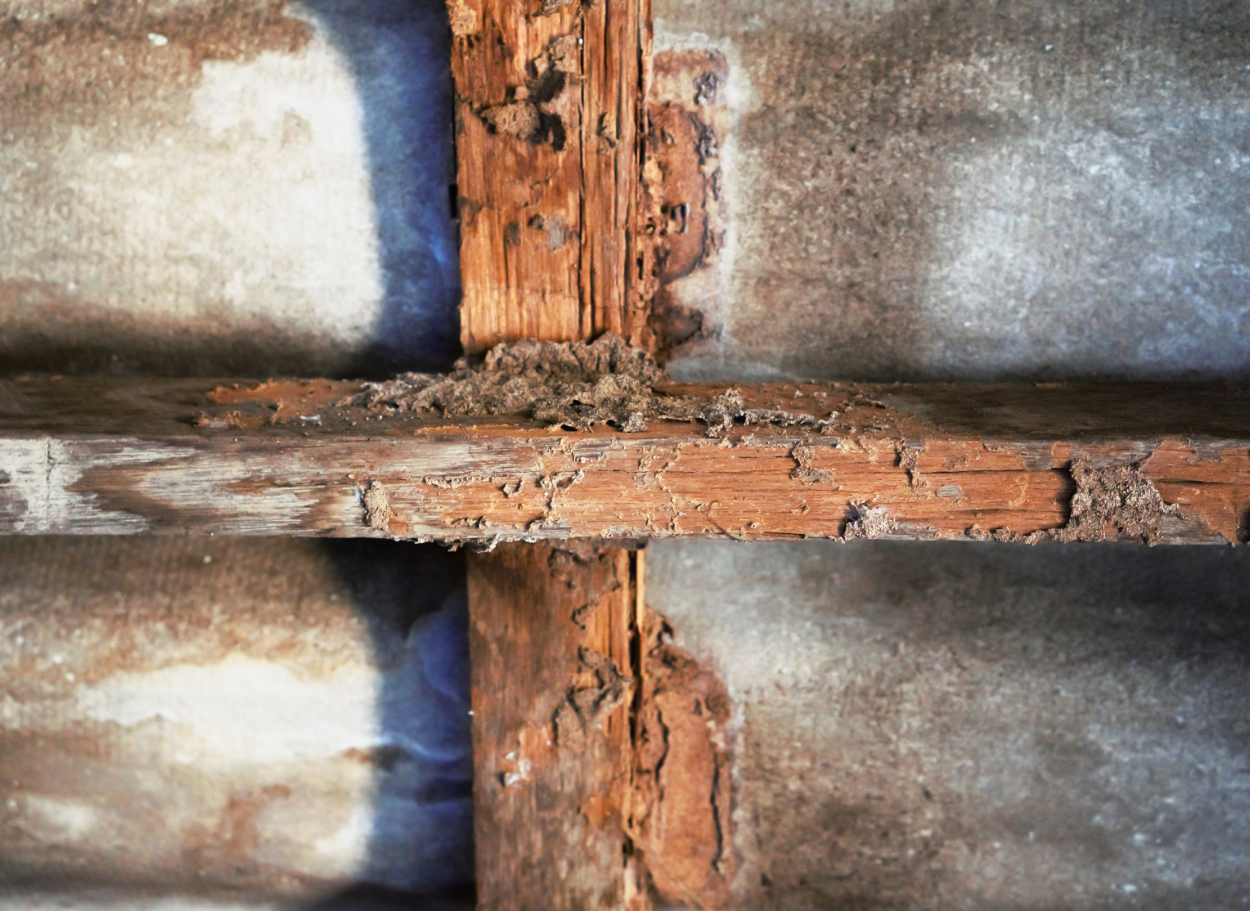
A termite problem rarely begins with a dramatic warning. More often, it starts in silence, behind drywall, under flooring, inside crawl spaces, or along a foundation line that looks perfectly sound from the yard. By the time visible damage appears, termites may have been feeding for months or even years. That quiet progression is what makes them such a costly threat. The visible repair bill is only part of the story. The deeper issue is hidden risk: structural weakening, recurring infestations, moisture-related vulnerabilities, insurance gaps, interrupted property sales, and the simple fact that untreated termite activity tends to expand rather than stop on its own.
Professional termite control services reduce those risks because they deal with the conditions that allow infestations to take hold, not just the insects you happen to see. A trained technician reads a property differently than a homeowner does. What looks like a harmless crack at the slab edge, a stacked mulch bed against siding, or a damp corner of a crawl space can signal a pathway, a food source, or a moisture pattern that termites exploit. The value of professional work lies in that early recognition and in the systems used to monitor, treat, and prevent reentry over time.
The danger is often greater than the visible damage
People tend to measure termite problems by what they can point to: a blistered baseboard, hollow-sounding trim, a warped doorframe, a few discarded wings on a windowsill. In practice, those signs are often late-stage clues. Subterranean termites, the species most property owners worry about, travel through concealed mud tubes and remain protected from open air while feeding on wood and other cellulose materials. Drywood termites behave differently, but they present the same broad challenge: they can remain unnoticed in inaccessible spaces for long stretches.
In one inspection I observed at an older single-story home, the owner thought the issue was limited to a soft section of flooring near the back door. Once the crew opened the area and traced the damage pattern, they found termite activity along a moisture-damaged sill plate and into adjacent framing. The repair costs climbed because the original problem was not just insect activity. It was the interaction between termites, chronic moisture, and delayed detection. That combination is common. Termites take advantage of weaknesses that are already developing in a building envelope.
This is why DIY treatment so often falls short. Surface sprays and store-bought stakes may address a symptom, but they do not reliably reveal the extent of the colony, the entry route, or the property conditions that keep the risk alive.
Hidden risks go beyond wood loss
Termite damage is easy to underestimate because much of it accumulates out of sight. Yet the hidden risks stretch beyond chewed framing.
The first is structural integrity. Not every infestation leads to dramatic weakening, but when load-bearing members are affected, the consequences become serious quickly. Floor joists, support posts, subflooring, wall studs, and roof framing all matter differently, and experienced termite professionals know how to recognize when cosmetic damage may actually point to compromised structural performance. They also know when to recommend a contractor, engineer, or further invasive inspection instead of guessing.
The second is financial uncertainty. Many homeowners assume insurance will absorb the damage, then learn too late that termite-related deterioration is commonly excluded as a maintenance issue. That means the cost of treatment and repairs may come directly out of pocket. A professional inspection and documented service history can reduce that uncertainty. It does not erase risk, but it gives owners a clearer timeline, evidence of due diligence, and a basis for decision-making before damage becomes severe.
The third is transaction risk. In real estate deals, termite findings can delay closings, trigger renegotiations, or derail buyer confidence entirely. Sellers often wish they had addressed warning signs earlier, when treatment was simpler and documentation easier to provide. Buyers, for their part, benefit from specialist evaluations because a standard home inspection is not the same thing as a termite inspection. Good termite control services help clarify whether there is active infestation, prior treatment, old damage, conducive conditions, or a need for further repair assessment.
Then there is reputational risk for rental and commercial property owners. A multifamily building, restaurant, office, or retail site cannot afford a pattern of recurring pest issues. Tenants notice, online reviews spread quickly, and repeated emergency calls usually cost more than consistent prevention.
Why professional inspection matters more than most owners expect
Inspection is not just a first step. It is the point where hidden risk becomes visible enough to manage. A thorough termite inspection involves much more than a quick walk around the exterior. The technician is evaluating evidence, access points, environmental conditions, construction details, and signs of previous treatments.
A capable inspector looks at expansion joints, slab penetrations, crawl-space ventilation, wood-to-soil contact, moisture intrusion, landscaping that bridges to siding, and inaccessible areas where activity may still be inferred even when it cannot be directly seen. In older buildings, they also consider remodeling history. Termites often exploit additions, patched plumbing penetrations, enclosed porches, or altered grade lines that changed how water moves around the structure.
That interpretive skill matters because not every mark in wood is termite damage, and not every termite sign means the same thing. Carpenter ants, powderpost beetles, fungal decay, and moisture staining can be confused with termite problems by untrained eyes. Misidentification leads to wasted money at best and untreated infestation at worst.
Professional termite control services reduce risk here by narrowing uncertainty. They identify the pest, estimate the scope, recommend a treatment strategy appropriate to the species and structure, and explain what needs repair versus what only needs monitoring. That clarity saves owners from both overreaction and neglect.
Treatment is not one product, it is a strategy
One of the biggest misunderstandings in termite work is the idea that treatment means applying a chemical and being done. Effective termite control is usually a combination of inspection, targeted intervention, environmental correction, and follow-up.
Different structures and termite species call for different methods. Liquid termiticides may be used to create a treated zone around the foundation. Baiting systems may be installed to intercept and suppress colony activity over time. In some cases, spot treatments, foam applications, borate products, or localized wood treatments are appropriate. For drywood termites, direct treatment or structural fumigation may be considered depending on severity and distribution.
The right choice depends on access, construction type, infestation pattern, surrounding conditions, and long-term goals. A slab-on-grade home with multiple hidden entry points poses a different challenge than a raised foundation house with good crawl-space access. A historic building may require methods that preserve original materials and limit invasive drilling. A commercial site may need treatment scheduled around occupancy, food handling, or business continuity concerns.
This is where professional judgment earns its keep. An experienced provider understands the trade-offs. Liquid barriers can offer strong protection, but installation quality is critical and certain foundation features complicate coverage. Bait systems can be effective and less intrusive in some settings, but they require monitoring discipline and owner patience. Spot treatment may solve a localized issue, but it is not always enough when hidden spread is likely. No honest professional treats every building with the same formula.
Moisture control is often the missing piece
Termites and moisture are frequent partners. Not always, but often enough that any Termite Control Services serious termite plan should consider both. Leaking hose bibs, poor drainage, clogged gutters, standing water near the foundation, condensation in crawl spaces, and unvented humidity all create conditions that make wood more vulnerable and structures more attractive to pests.
I have seen properties where termite treatment was technically Termite Control Services successful, yet risk remained elevated because the underlying moisture source stayed in place. In those cases, the service provider who simply treats and leaves does only part of the job. The better providers explain that termite control and building maintenance overlap. They may not perform plumbing repairs or drainage corrections themselves, but they point out the conditions that need attention and explain why they matter.
A damp crawl space is a good example. Even when active termites are addressed, persistent high humidity can soften wood, encourage fungal decay, and create inspection challenges later. It also makes future infestations easier to miss. Professional termite control services reduce hidden risk by linking pest management to the broader health of the structure.
The most important advantages professionals bring
The value of expert service becomes clearer when you compare it to reactive, piecemeal treatment. Professionals do not just attack the infestation. They reduce the unknowns surrounding it.
- They identify the termite species and match the treatment to its behavior.
- They evaluate hidden access points and conducive conditions, not just visible damage.
- They document findings and treatment history, which matters for future repairs and property transactions.
- They provide follow-up monitoring, which is essential because termite risk changes over time.
- They know when the issue extends beyond pest control and into structural or moisture-related repair.
That last point deserves more attention than it usually gets. Good termite work includes knowing the limits of termite work. If a sill plate is compromised, if trim damage conceals framing damage, or if moisture intrusion is ongoing, the right answer may involve a contractor, structural specialist, or waterproofing professional. Owners benefit when the pest company is candid about those boundaries.
Prevention is where risk reduction becomes cost control
Emergency treatment is expensive because delay is expensive. The longer termites remain active, the more likely it becomes that treatment must be paired with carpentry, insulation removal, finish replacement, or flooring repairs. Preventive service, while not free, usually costs less than deferred action.
That is especially true in regions where termite pressure is consistent year after year. In those areas, prevention is not paranoia. It is routine property stewardship, much like roof maintenance or HVAC servicing. Even newer homes are not exempt. Concrete slabs crack, landscaping changes moisture patterns, utility penetrations settle, and soil conditions shift. Age can increase exposure, but new construction does not eliminate it.
The economics are straightforward. A recurring inspection or monitored baiting program may cost a fraction of what a single neglected infestation can trigger in repairs. Exact numbers vary widely by region, structure size, and treatment type, but the principle holds. Paying for expertise before damage escalates is almost always cheaper than opening walls and replacing structural wood after the fact.
The real estate angle is often underestimated
Termite history affects how buyers and sellers negotiate risk. A clean, documented treatment and monitoring record can support confidence. A vague disclosure about "past termite issue, treated" without supporting detail often does the opposite. Buyers then assume the worst, especially if there is visible damage or no recent specialist inspection.
Professional termite control services reduce this uncertainty by creating a paper trail. That may include diagrams, treatment dates, product information, monitoring records, and notes on whether activity was active or inactive at the time of service. For agents and property managers, this documentation can prevent disputes later. For owners, it can help demonstrate that the issue was managed responsibly rather than ignored.
There is also a timing benefit. If a seller arranges a professional inspection well before listing, any problems can be treated and stabilized without the pressure of an impending closing date. That creates better options. Repairs can be planned instead of rushed, and buyers receive a clearer picture of the property's condition.
Commercial properties face a different level of exposure
Homes are personal assets. Commercial buildings are income-producing assets, and that changes the risk equation. A termite issue in an office park, warehouse, senior living facility, or hospitality property can affect lease obligations, tenant satisfaction, maintenance budgets, and operational schedules. In food service environments, pest concerns can spill over into broader compliance worries even when termites themselves are not the same kind of sanitation issue as roaches or rodents.
Professional service is valuable here because commercial properties usually have more complexity: larger footprints, varied construction phases, hidden utility runs, limited service windows, and multiple decision-makers. The cost of disruption can exceed the direct treatment cost. A planned, documented termite management program helps protect both the building and the business tied to it.
What property owners should expect from a credible provider
Not every pest company approaches termite work with the same depth. The best providers are methodical. They inspect carefully, explain what they found in plain language, outline treatment options with realistic pros and cons, and make clear what they can and cannot guarantee. They do not rely on fear, and they do not promise miracles.
A useful conversation with a provider should cover several points. You should understand whether there is active infestation, where the evidence was found, what treatment is recommended, how that treatment works, what preparation is required, whether follow-up visits are included, and what building or moisture corrections should happen alongside treatment. If the explanation sounds vague or overly scripted, that is usually a sign to ask more questions.
One practical test is whether the company discusses monitoring after treatment. Termites are not a one-time plumbing leak that is solved and forgotten. Even strong treatment plans benefit from reinspection because conditions change. Landscaping gets altered. Irrigation lines break. Additions get built. Wood piles appear beside the house. Hidden risk returns when attention fades.
Small conditions create big opportunities for termites
Many infestations begin with details owners barely notice. A mulch bed piled too high against siding. A fence or lattice attached in a way that bridges to the structure. Firewood stored near an exterior wall through a wet season. A bathroom leak that dampened subflooring for months before anyone traced the smell. A crawl-space access door that no one has opened in three years.
These are not dramatic failures. They are ordinary maintenance lapses, and termites are opportunists. That is why professional inspections are so valuable. They catch the small signals before those signals become structural repairs.
A short prevention checklist can help owners keep risk lower between visits:
- Keep soil, mulch, and wood siding separated by visible clearance where possible.
- Repair leaks, drainage problems, and standing water near the structure promptly.
- Avoid storing firewood, cardboard, or lumber against exterior walls.
- Make crawl spaces, attics, and utility penetrations accessible for inspection.
- Schedule regular termite inspections in areas with known termite pressure.
Those measures will not replace professional termite control services, but they support them. Prevention works best when building maintenance and pest management reinforce each other.
Why hidden risks stay hidden for so long
There is a psychological side to termite damage that matters. People postpone action because nothing looks urgent. A small stain can wait. A sticky door can wait. A patch of bubbling paint can wait. Termites benefit from that instinct. They operate slowly enough to avoid immediate alarm but steadily enough to make delay costly.
Professional termite control changes that dynamic by replacing guesswork with evidence. Once a specialist maps the activity, identifies the vulnerabilities, and explains the treatment path, owners can make informed decisions instead of delayed ones. That shift alone reduces risk. Uncertainty is expensive in building maintenance. Clarity has value.
The same applies to property managers handling multiple units or facilities. If reports of soft trim or moisture odors are treated as low priority because they seem minor in isolation, the problem can spread through connected structures or adjacent units. A professional assessment gives maintenance teams a basis for triage, budgeting, and repair sequencing.
The long-term benefit is not just elimination, it is control
Elimination is the immediate goal when termites are active, but control is the longer-term achievement. Properties change. Soil conditions change. Water patterns change. Neighboring infestations may influence future exposure. Professional termite control services reduce hidden risks because they are designed around that reality. They establish a system of detection, response, and prevention that continues after the first treatment is complete.
That ongoing perspective is what separates a temporary fix from responsible protection. It is also why the cheapest option is often not the least expensive over time. A low bid that ignores inspection depth, follow-up visits, or conducive conditions may save money on day one and cost far more later. Good termite work is not just about killing insects. It is about protecting the structural and financial value of a property from a threat that thrives in silence.
When owners understand termites as a risk-management issue rather than a simple pest problem, the case for professional help becomes obvious. The hidden risks are real, but they are manageable. With informed inspection, appropriate treatment, careful documentation, and regular follow-up, those risks become smaller, more visible, and far less likely to turn into expensive surprises.
Maximum Pest Control
836 NE 7th Terrace Suite #5
Cape Coral, FL 33909
+1 239-772-7363
FAQ About Termite Control Services
What are two signs of a termite infestation?
Mud tubes along a foundation and piles of shed wings near doors or windows are two signs to investigate. Mud tubes are associated with subterranean termites. A licensed inspector can identify the insect and assess whether there is active infestation.
How many years does a termite treatment last?
There is no single timeline for all treatments. The method, site conditions, and maintenance affect how long protection lasts. Bait systems rely on monitoring and service. Ask the provider for the recommended inspection schedule and the terms of any coverage.
Is Termite Treatment Expensive in Cape Coral?
Cost depends on the termite species, the size and construction of the property, the extent of activity, and the treatment method. Request a written estimate after inspection and ask whether monitoring, follow-up visits, and renewals are included.