How Termite Control Services Work for Commercial Buildings
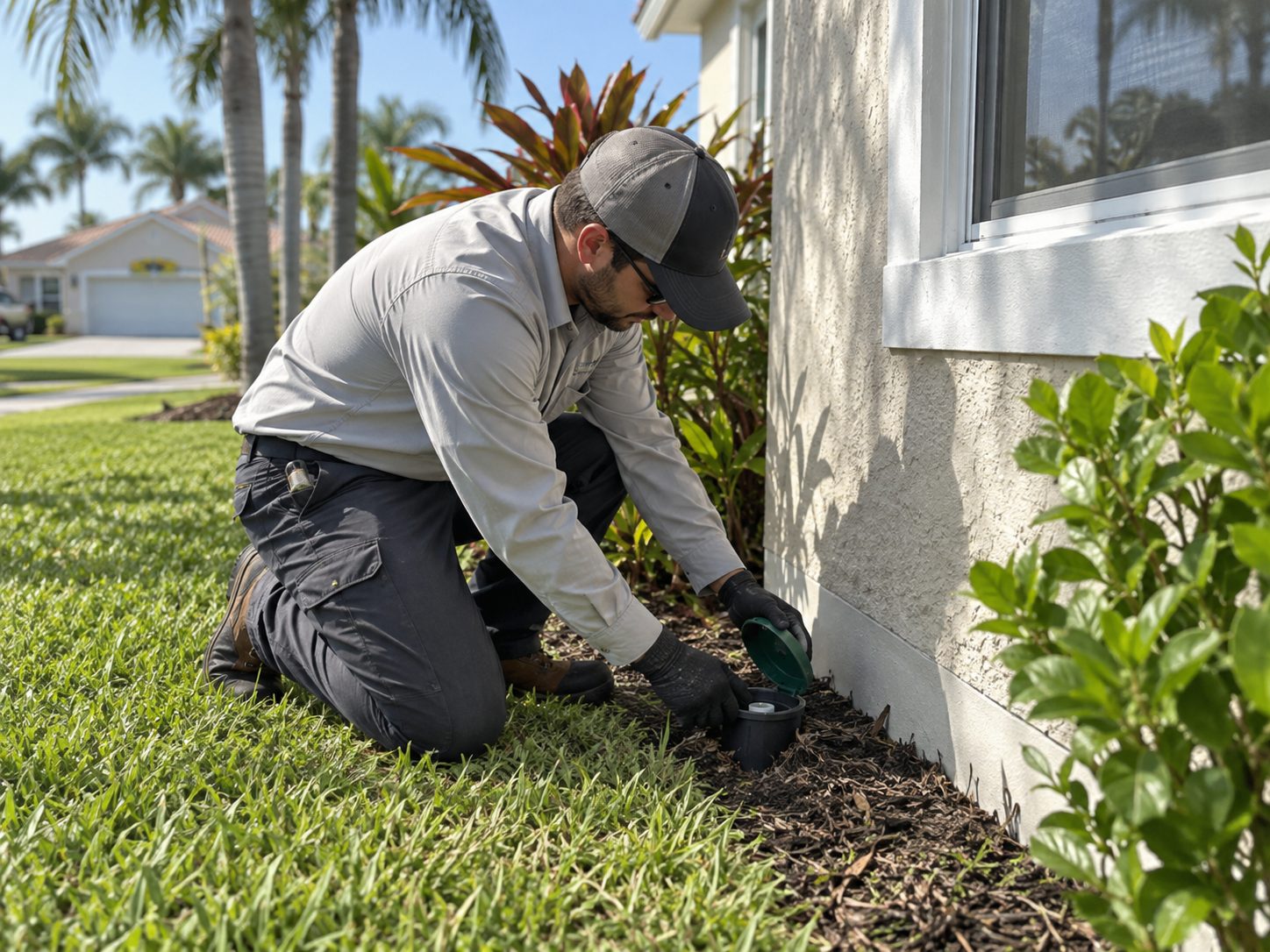
Commercial termite work is a different discipline from routine residential pest control. The stakes are higher, the structures are larger, the occupancy patterns are more complicated, and the cost of getting it wrong can be severe. A single untreated colony can damage framing, interior finishes, millwork, records storage, and tenant improvements long before anyone notices the first visual clue. In some properties, especially older office buildings, warehouses, schools, mixed-use developments, and hospitality sites, termites exploit hidden construction details that even maintenance teams rarely see.
That is why termite control services for commercial buildings are usually built around risk management, not quick treatment. A serious provider does not just show up, spray a perimeter, and leave. The work begins with understanding the building, how it is used, where moisture is collecting, how the slab or crawlspace was built, whether there are expansion joints, utility penetrations, planter beds against exterior walls, and what kind of records the owner will need for insurance, lease compliance, or lender requirements.
When clients ask how commercial termite control actually works, they are usually asking two things at once. First, how do technicians find and eliminate termites in a large, complex property? Second, how do they keep the problem from returning without disrupting operations? The answer depends on the species, the building design, and the tolerance for downtime, but the process follows a practical sequence that experienced teams know well.
It starts with the kind of termite, not the product
The first major distinction is between subterranean termites and drywood termites. In many commercial markets, subterranean termites are the bigger long-term threat because they live in the soil and travel through concealed mud tubes into structural wood. They can attack a building from multiple points at once. Drywood termites, by contrast, live inside the wood they consume and do not need soil contact, which changes both inspection and treatment strategy.
That difference matters because the control plan for a slab-on-grade retail strip is not the same as the plan for a historic wood-framed office building, and neither matches a tilt-up warehouse with interior wood blocking and exterior landscaping pressed against the foundation. Good Termite Control Services termite control services identify the biology first, then the access routes, then the least disruptive way to break the infestation cycle.
I have seen property managers assume they had one isolated problem because a janitorial closet showed blistered baseboard paint. After inspection, the issue turned out to be a subterranean colony entering at three separate utility points on the back side of the building, helped along by irrigation overspray and a mulch bed piled too high against the wall. The cosmetic damage was minor. The hidden activity was not.
The inspection is the real foundation of the job
Commercial termite inspections are far more methodical than most people expect. A technician or inspector is not just scanning for visible insects. They are reading the building almost like a forensic analyst. They look for mud shelter tubes, damaged wood, high-moisture conditions, gaps at penetrations, evidence of previous treatment, inaccessible voids, and conditions that invite infestation even if active termites are not immediately visible.
In a commercial setting, the inspection usually includes both interior and exterior zones. Exterior work often focuses on foundation walls, expansion joints, loading docks, landscape interfaces, detached structures, fence attachments, utility entry points, drainage conditions, and any wood-to-soil contact. Inside, the team may inspect mechanical rooms, janitorial spaces, storage rooms, elevator pits where accessible, break areas, restrooms, wall bases, ceiling voids, and areas around plumbing runs. In older structures or buildings with chronic leaks, they may pay special attention to roof drains, parapet transitions, and previous water-damage repairs.
The best inspectors also ask for building history. Have there been past termite treatments? Were there recent renovations? Has a tenant reported warped trim, bubbling paint, or swarming insects near windows? Were there plumbing leaks within the last year? These details save time and often lead directly to the problem area.
Technology helps, but experience still does most of the heavy lifting. Moisture meters can identify damp zones that deserve closer attention. Borescopes can help inspect inside voids with minimal opening. Infrared tools may point to suspicious moisture patterns, though they do not confirm termite activity by themselves. Sounding wood, probing suspicious areas, and understanding how termites move through construction remain essential skills.
Why commercial buildings create special challenges
Termites exploit complexity. Commercial properties offer plenty of it.
Large buildings often have multiple additions built at different times, which means different foundation types and hidden transitions. One wing may sit on a slab, another over a crawlspace, another over a basement, and each section creates different treatment requirements. Landscaping can also interfere with access. Decorative stone, pavers, raised planters, heavy irrigation, and exterior insulation systems can conceal the exact line where termites are entering.
Operational constraints add another layer. An office tower cannot simply close for a full-day treatment because drilling is loud. A restaurant cannot accept a treatment schedule that contaminates food prep areas or disrupts peak service. A school may only permit work after hours or during breaks. Medical and pharmaceutical environments often require special coordination, strict documentation, and close attention to where products are applied.
This is one reason commercial termite control services tend to feel more like project management than a simple service call. There is inspection, scope development, communication with stakeholders, treatment planning, access scheduling, treatment execution, cleanup, reporting, and then ongoing monitoring.
The proposal should describe more than a price
A professional termite proposal for a commercial building should spell out what was found, what is suspected, what treatment method is recommended, what access is required, and what limitations exist. If areas could not be inspected because of stored materials, sealed wall finishes, or inaccessible voids, that should be clearly stated. A vague proposal that promises complete protection without discussing access points or building conditions is a red flag.
Property owners should expect the recommendation to include a rationale. For example, a liquid soil treatment may be favored where there is good access to the perimeter and clear evidence of subterranean termite entry from the ground. A baiting system may be recommended where trenching or drilling is limited, or where long-term monitoring is a priority. In some cases, the most effective plan combines methods.
An honest provider will also discuss corrective conditions that no chemical alone can solve. If leaking condensate lines are saturating wall bases, if wood siding touches soil, or if dense vegetation blocks inspection access, those issues need correction. Otherwise, the building remains attractive to termites even after treatment.
How liquid barrier treatments work
For subterranean termites, one of the most common commercial approaches is a liquid termiticide barrier applied to the soil adjacent to the structure. The objective is not to coat every inch of wood inside the building. It is to establish a treated zone in the soil where termites travel, so they either die when they move through it or transfer the active ingredient back through the colony, depending on the product used.
On buildings with exposed soil around the foundation, technicians may trench alongside the footing and apply the material at labeled rates. On slabs, sidewalks, or covered exterior surfaces, they may drill small holes at intervals to inject termiticide into the soil below. Interior slab drilling may be necessary in targeted spots such as around plumbing penetrations, expansion joints, or known entry points.
In commercial properties, this work requires planning. Drilling can generate noise and dust, so it is often scheduled before opening hours or in phases. Access to leased suites may need advance coordination. Some areas cannot be treated conventionally because of post-tension cables, sensitive finishes, or inaccessible foundation geometry. That is why the inspection and scope development matter so much.
When done correctly, a liquid treatment can be very effective. But "correctly" is doing a lot of work in that sentence. The technician needs to account for construction features, label requirements, soil conditions, and continuity. Gaps in the treated zone can become the weak links termites exploit.
How baiting systems fit into commercial termite control
Bait systems are another major tool, especially for subterranean termites. Stations are installed in the soil around the building at set intervals, and technicians inspect them periodically for termite feeding. Once activity is confirmed, a bait matrix containing an insect growth regulator or similar active ingredient is introduced. The termites feed on it and share it within the colony, gradually suppressing or eliminating it.
Baiting has several advantages in commercial settings. It is discreet, creates little to no disruption during installation compared with extensive drilling, and supports ongoing monitoring. For campuses, distribution centers, medical facilities, and properties where preserving hardscape is important, bait systems can be a practical long-term strategy.
Still, baiting is not magic and it is not always the fastest response when active damage is occurring in a defined area. It depends on termites finding and feeding at the stations. In a severe active infestation with known entry points, a provider may recommend spot corrective treatment or a combined approach rather than relying on bait alone. The key is matching the method to the urgency and the building conditions.
I have seen baiting work particularly well on large sites with recurring pressure from surrounding landscape or wooded areas. It gives owners a monitoring framework instead of treating termites as a one-time event. For properties with long hold periods and asset preservation goals, that has real value.
Localized and structural treatments for drywood termite problems
Drywood termites call for a different mindset. Because they live in the wood itself, soil barriers do nothing to control them. In commercial properties, drywood issues often show up in window frames, trim, exposed beams, decorative wood features, doors, or stored wood-based materials.
Treatment may involve direct wood injection, foam applications into wall voids, borate treatments on accessible unfinished wood, or, in some cases, whole-structure fumigation. Fumigation is usually reserved for widespread infestations where localized methods cannot confidently reach all colonies. It is effective, but for a commercial property it also brings logistical complexity, business interruption, occupant coordination, and strict preparation protocols.
Localized treatment can be a good fit when the infestation is limited and the affected wood is identifiable. The trade-off is that it depends on accurately finding all active sites. In a boutique office with exposed architectural wood, that may be straightforward. In a sprawling mixed-use building with layered renovations, it may not be.
Moisture control is often half the job
Termites and moisture are close companions. Even where drywood termites are involved, buildings with chronic moisture issues tend to have more hidden vulnerability overall. For subterranean termites, damp soil, leaks, and condensation problems make the environment even more favorable.
A credible commercial termite program usually includes recommendations like improving drainage, fixing leaks, reducing irrigation near the foundation, increasing clearance between soil and siding, removing cellulose debris, and correcting wood-to-soil contact. These are not side notes. They are part of what makes treatment hold.
One warehouse owner I worked with had repeated termite findings near a rear service corridor despite prior treatment. The missing piece was not more product. It was a poorly sloped washdown area that kept water migrating toward the foundation, plus stacked cardboard and wood pallets stored directly against the wall. Once drainage was corrected and storage practices changed, the pressure eased dramatically.
What the treatment day actually looks like
Owners and facility managers often want to know what happens on site once they approve the work. In commercial settings, the day is usually structured and documented. The crew arrives with a defined scope, safety information, site contacts, and access instructions. They may start by confirming utility locations, sensitive areas, and any last-minute operational changes. If drilling is involved, they protect adjacent surfaces and control dust. If interior work is required, they isolate treatment zones and coordinate with occupants.
A typical commercial service flow often includes the following:
- Confirm access, treatment scope, and any restricted areas.
- Perform the agreed treatment, which may include trenching, drilling, injection, bait station installation, or localized wood treatment.
- Seal drilled points, clean work areas, and note any inaccessible or changed conditions.
- Document where treatments occurred and what products or systems were used.
- Set the schedule for reinspection, bait checks, or follow-up corrective work.
The better companies are disciplined about documentation because commercial clients need records. A property manager may need them for tenant questions. An investor may request them during due diligence. A lender or insurer may ask for proof of treatment history. If the building is sold, the file matters.
Monitoring is not optional on a commercial property
This is one of the most misunderstood parts of termite control services. Treatment is not the finish line. Monitoring is what turns treatment into protection.
Even after a successful initial service, commercial buildings remain exposed to termite pressure from surrounding soil, landscaping, neighboring lots, and construction changes over time. New irrigation lines get added. Tenants make improvements. Planters are installed. Cracks open and sealants fail. A clean inspection five years ago does not mean much if drainage patterns changed last winter.
That is why ongoing service agreements are common in commercial work. These programs may include annual inspections, scheduled bait station checks, targeted moisture and condition reviews, and renewal of warranty terms if applicable. Some owners prefer a simple annual inspection model. Others, especially those with large campuses or known pressure, keep active monitoring systems in place year-round.
From an asset management perspective, this is a sensible expense. The cost of periodic inspection is usually minor compared with repairing hidden termite damage inside occupied suites, replacing custom millwork, or dealing with lease disputes after a preventable infestation becomes visible.
The hardest part is often access, not treatment
Termite control in commercial buildings frequently runs into practical barriers that have nothing to do with insect biology. A retail tenant may block wall lines with inventory. A data room may limit entry windows. An old building may have concealed voids behind expensive finishes. Exterior grade may be buried under hardscape, making continuous treatment difficult without selective drilling.
When access is limited, experienced providers explain the risk clearly instead of pretending full coverage is possible. Sometimes they phase the work. Sometimes they treat all accessible sections, install monitoring, and return when renovation opens hidden areas. Sometimes they recommend destructive inspection in a specific wall or floor zone because the evidence justifies it.
That honesty is worth a lot. Overpromising is common in this industry. Good commercial operators are careful with words because they know buildings are full of surprises.
Choosing a provider requires more than checking licenses
Licensing and insurance are essential, but they are only the baseline. Commercial owners should also look for providers who are comfortable reading plans, coordinating with facility teams, documenting conditions precisely, and discussing treatment limitations without sales pressure. A technician who is excellent in residential work may still struggle with a large medical office or multi-tenant industrial site if they are not used to commercial complexity.
When comparing providers, pay attention to how they communicate. Do they identify species or at least explain likely pest type? Do they distinguish active infestation from conducive conditions? Do they discuss follow-up? Do they explain why one method suits the structure better than another? Do they flag moisture, drainage, or construction issues that need correction?
A useful short checklist looks like this:
- Clear inspection findings with photos or location notes.
- A treatment plan tied to the building’s construction and termite type.
- Honest disclosure of inaccessible areas and limitations.
- Defined follow-up and monitoring schedule.
- Service records suitable for property management and future transactions.
If a proposal lacks those elements, the lower price may not be a bargain.
Cost depends on scope, complexity, and risk tolerance
Commercial termite pricing varies widely because commercial buildings vary widely. A small professional office with good exterior access is one thing. A large hospitality property with attached hardscape, landscaped courtyards, restaurants, and occupied guest areas is another entirely.
The main cost drivers are square footage, foundation complexity, accessibility, extent of infestation, treatment method, and follow-up requirements. Liquid barrier work can become labor-intensive where drilling is extensive. Bait systems may spread cost over time but require recurring service. Drywood termite fumigation brings a different operational and financial burden than localized treatment.
Owners should weigh direct cost against business impact. A treatment that is slightly more expensive but avoids daytime disruption across occupied suites can easily be the better financial decision. The same goes for long-term monitoring on properties with persistent pressure. A cheaper one-time approach may look attractive on paper and perform poorly in practice.
What success really looks like
Success in commercial termite control is not just the absence of visible termites next month. It is a building with reduced entry opportunities, corrected conducive conditions, documented treatment history, and a monitoring plan that catches trouble early. It is a property manager who knows where the risk points are. It is a maintenance team that understands why mulch depth, irrigation overspray, and wood storage habits matter.
Termites are persistent, and commercial buildings give them plenty of chances. Effective termite control services work because they combine entomology, construction awareness, disciplined fieldwork, and follow-through. The provider who understands all four is the one who protects the asset, not just the appointment slot.
For commercial owners and facility teams, the practical takeaway is simple. Treat termite control as part of building stewardship, not emergency cleanup. When inspections are thorough, treatment methods are matched to the structure, and monitoring continues after the initial work, the odds improve dramatically. That is how professional termite control works in the real world, quietly, methodically, and with much more planning than most people ever see.
Maximum Pest Control
836 NE 7th Terrace Suite #5
Cape Coral, FL 33909
+1 239-772-7363
FAQ About Termite Control Services
What are two signs of a termite infestation?
Mud tubes along a foundation and piles of shed wings near doors or windows are two signs to investigate. Mud tubes are associated with subterranean termites. A licensed inspector can identify the insect and assess whether there is active infestation.
How many years does a termite treatment last?
There is no single timeline for all treatments. The method, site conditions, and maintenance affect how long protection lasts. Bait systems rely on monitoring and service. Ask the provider for the recommended inspection schedule and the terms of any coverage.
Is Termite Treatment Expensive in Cape Coral?
Cost depends on the termite species, the size and construction of the property, the extent of activity, and the treatment method. Request a written estimate after inspection and ask whether monitoring, follow-up visits, and renewals are included.